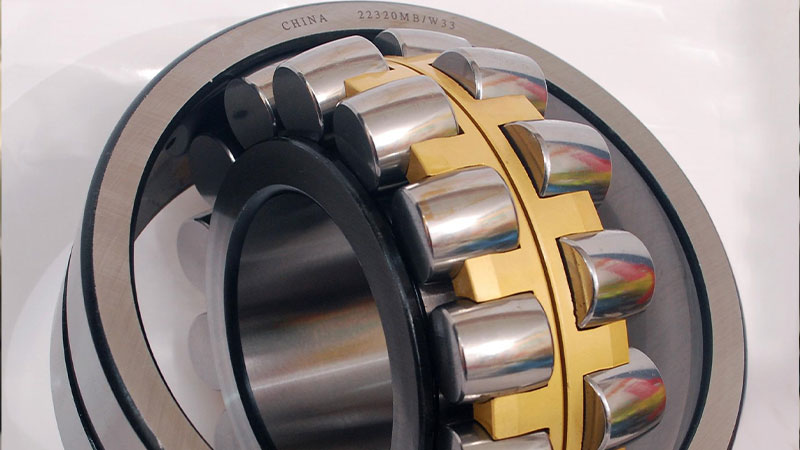
Maintenance of self-aligning roller bearings: extending service life and improving performance
Self-aligning roller bearings possess the ability to self-align, enabling them to accommodate installation errors and shaft deflection. They are widely used in heavy machinery across industries such as mining, metallurgy and papermaking. Proper maintenance can significantly enhance equipment operational stability and extend the service life of the bearings. The following outlines key maintenance points across four areas: routine inspections, lubrication maintenance, cleaning procedures and storage management.
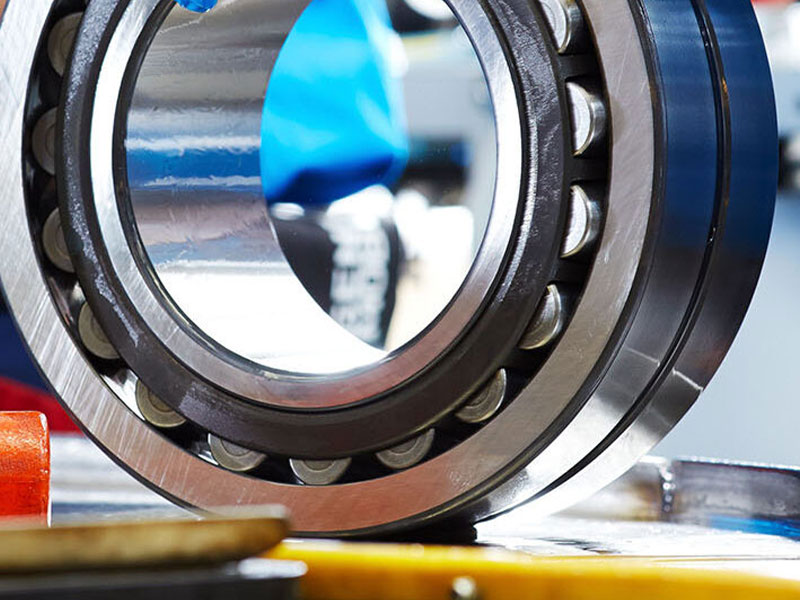
Routine Inspection: Nip Problems in the Bud and Correct Deviations Promptly
Routine inspection forms the cornerstone of self-aligning roller bearing maintenance, enabling the timely identification of potential issues and the implementation of corrective measures. During operation, attention must be paid to changes in bearing temperature; an infrared thermometer can be used to periodically measure the temperature of the outer ring. Under normal conditions, the difference between the bearing temperature and the ambient temperature should not exceed 40°C. If the temperature rises abnormally, this may be caused by insufficient lubrication, overloading or internal faults, and the machine must be shut down for investigation.
At the same time, listen carefully to the bearing’s operating sounds. During normal operation, the sound should be even and steady. If abnormal noises such as periodic humming, clicking or grinding occur, this may indicate broken rollers or a damaged cage, and repairs must be carried out promptly. Furthermore, monitor bearing vibration levels and use a vibration analyser to measure vibration parameters. If vibration values exceed the specified range, this indicates potential issues such as wear or pitting, requiring further diagnosis and rectification.
Lubrication Maintenance: Reducing Friction and Noise, Extending Service Life
Lubrication is crucial for self-aligning roller bearings, as it reduces friction, minimises wear, and dissipates heat to lower temperatures. Select an appropriate lubricant based on the bearing’s operating conditions, such as rotational speed, load and temperature. For heavy loads at low speeds, high-viscosity lithium-based grease is recommended, as it offers good extreme-pressure anti-wear properties and mechanical stability; for high speeds and high temperatures, low-viscosity synthetic lubricants such as polyalphaolefin (PAO) synthetic oil are more suitable, as they provide excellent oxidation resistance and thermal stability.
The lubrication method must also be chosen appropriately. Grease lubrication is suitable for low-speed, high-load applications, with the grease filling volume ideally occupying 1/3 to 1/2 of the bearing’s internal cavity; oil lubrication is used for high-speed, high-temperature bearings, where oil injection allows the lubricant to be sprayed into the bearing at a specific pressure and flow rate, forming a continuous oil film. At the same time, a scientifically sound lubrication schedule must be established. Under normal operating conditions, grease-lubricated bearings should have their grease replaced every 3,000–5,000 hours of operation, whilst oil-lubricated bearings require regular checks of oil level and quality, with oil changes carried out promptly; in harsh operating conditions, these intervals must be shortened.
Cleaning: Removing dirt and scale to ensure performance
During operation, bearings are subject to contamination from dust and impurities, which can affect their performance and service life; therefore, proper cleaning is essential. Clean the exterior of the bearings regularly by wiping the outer ring, inner ring and cage with a clean cloth to remove surface dirt. If the operating environment is harsh with high levels of dust, the cleaning frequency should be increased.
For bearings in long-term operation, internal cleaning is also required. Remove the bearing from the equipment and clean the interior using a suitable cleaning agent such as petrol or kerosene to remove oil residue, impurities and wear particles. After cleaning, blow-dry with compressed air and reapply grease or refill with lubricating oil. During the cleaning process, ensure compliance with operating procedures to avoid damaging bearing components.
Storage Management: Proper Storage to Prevent Deterioration
When bearings are not in immediate use, ensure proper storage management. Bearings should be stored in a dry, well-ventilated warehouse free from corrosive gases, with temperatures maintained between 10–30°C and relative humidity not exceeding 65%. Avoid contact with chemicals such as acids and alkalis to prevent rust and corrosion.
During storage, bearings should be placed horizontally on clean wooden boards or plastic pallets to avoid direct contact with the floor and prevent moisture absorption. Bearings of different specifications and models should be stored separately and clearly labelled for ease of retrieval and use. Additionally, stored bearings should be inspected regularly for signs of rust or deterioration; any abnormalities must be addressed promptly.
The maintenance of self-aligning roller bearings is a meticulous and crucial task. By carrying out daily inspections, lubrication maintenance, cleaning procedures and storage management, it is possible to effectively safeguard bearing performance, extend their service life and provide robust support for the stable operation of equipment.